Source: independent.co.uk

America's biggest coal producer is taking the plunge on renewables by launching a joint venture in solar power.
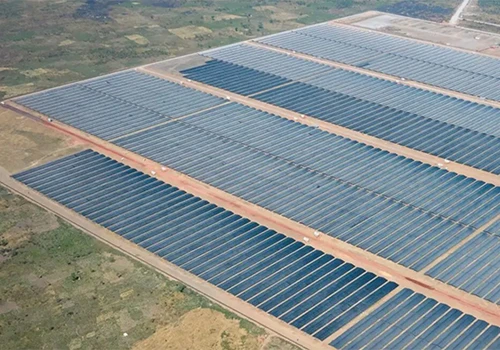
Peabody Energy Corp. announced on Tuesday that it has launched R3 Renewables with two investment firms to build utility-scale solar projects on or near former coal mining operations.
The St. Louis-based company will develop 3.3 Gigawatts (GW) of solar - enough to power about 2 million homes - and 1.6 GW of battery storage capacity over the next five years. R3 Renewables will develop on large tracts of land in Indiana and Illinois.
"We are pleased to announce this new joint venture as part of Peabody's commitment to be the coal producer of choice, creating additional value from our existing assets, supporting our own and our customers' ESG ambitions and providing added economic benefits for the communities in which we work and live," said Jim Grech, President and CEO of Peabody.
A Peabody atua na mineração de carvão há quase 140 anos e tem operações em Nova Gales do Sul, Austrália e nos estados norte-americanos de Wyoming, Alabama, Indiana e Novo México.
The company did not report the size of the investment but it appears that its primary focus will remain in the fossil fuel industry. The Independent left a message for Peabody's representative seeking comment.
Coal is the dirtiest, most carbon-intensive of fossil fuels. While it generated 24 per cent of US electricity in 2019, the fossil fuel accounted for about 61 por cento das emissões de CO2 no setor.
Em 2020, fontes de energia renovável - incluindo energia eólica, hidrelétrica, solar, biomassa e geotérmica - geraram cerca de 21% da eletricidade nos EUA, superada apenas pelo gás fóssil.
In the same year, use of renewables surpassed both nuclear and coal for the first time in history, reported the Administração de Informação de Energia dos EUA.
Como parte dos planos dos EUA para enfrentar sua parte na crise climática, o presidente Joe Biden se comprometeu a afastar o país dos combustíveis fósseis, criando um setor de energia limpa até 2035 e uma economia líquida-de emissões zero até 2050.